
Every year in South Africa, over 10 million tons of mostly edible food is lost or wasted. Not because it’s unsafe, but because of overproduction, manufacturing errors, and strict retail specifications. This is surplus food – safe, nutritious, within date, and ready to eat. Yet most of it ends up in landfills.
Watch “What Is Surplus Food?” on YouTube to see how this surplus food can be redirected to communities in need.
Understanding Surplus Food
Surplus food is edible food that doesn’t make it to consumers because it’s overproduced, slightly imperfect, or doesn’t fit retailer specifications. When this food is discarded, the water, energy, labor, and resources used to produce it are also wasted – along with the opportunity to feed those in need.
The Environmental Impact
Food waste isn’t just a missed opportunity to feed people; it’s a climate problem. When surplus food decomposes in landfills, it releases methane, a potent greenhouse gas. Reducing food waste is one of the world’s most cost-effective ways to fight climate change.
Turning Surplus into Support
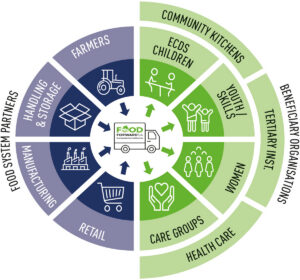
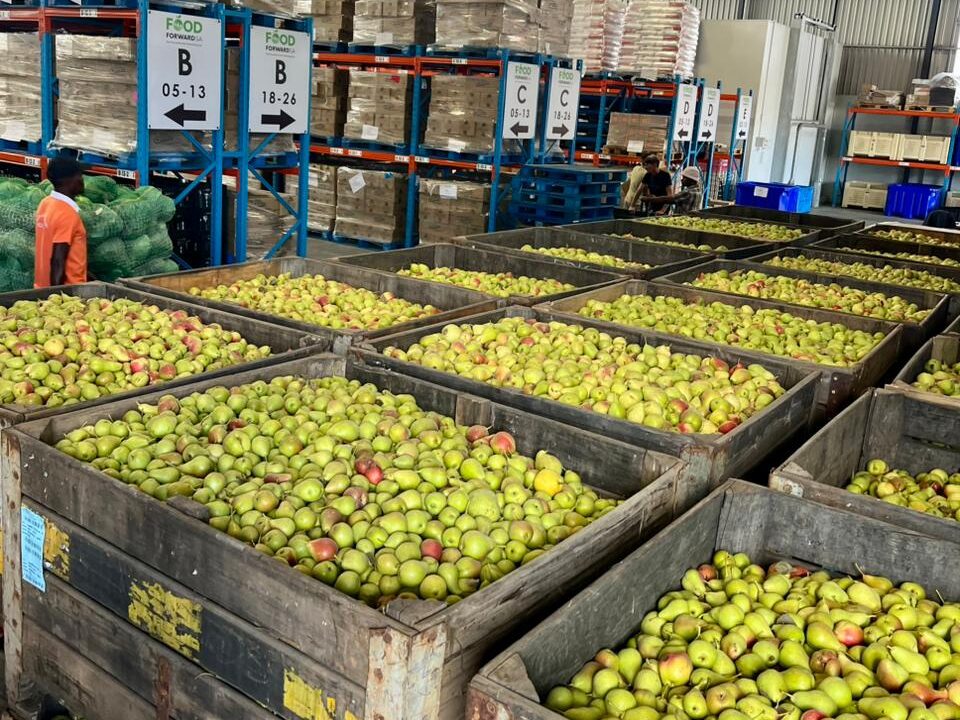
FoodForward SA partners with farmers, manufacturers, and retailers to recover edible surplus food and redistribute it through a network of 2,500 Beneficiary Organisations, reaching nearly 1 million vulnerable people. What would have gone to waste becomes hope, health, and dignity, strengthening communities while protecting the planet. Every R1 ($0.05) donated unlocks R198 in Social Return on Investment.
Why Donate Surplus Food?
Donating your surplus food isn’t just good for communities — it benefits your organisation too:
- Offset costs by receiving tax certificates for donations
- Reduce waste disposal and reverse logistics costs
- Lower environmental impact and help mitigate climate change
- Strengthen your ESG (Environmental, Social, and Governance) profile
- Demonstrate good corporate citizenship
If you’re a farmer, manufacturer, or retailer, you can turn your surplus into real impact. Donate your surplus food today and help feed people, not landfills. Together, we can repurpose the surplus and create stronger, healthier, more resilient communities across South Africa.