International Day of Awareness of Food Loss and Waste | 29 September
South Africa has no shortage of food. Yet millions of people experience food insecurity while significant quantities of safe, edible food are lost or wasted across the food system.
At FoodForward SA, we believe this presents not only a challenge, but a transformative opportunity.
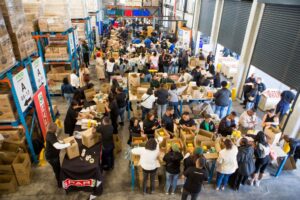
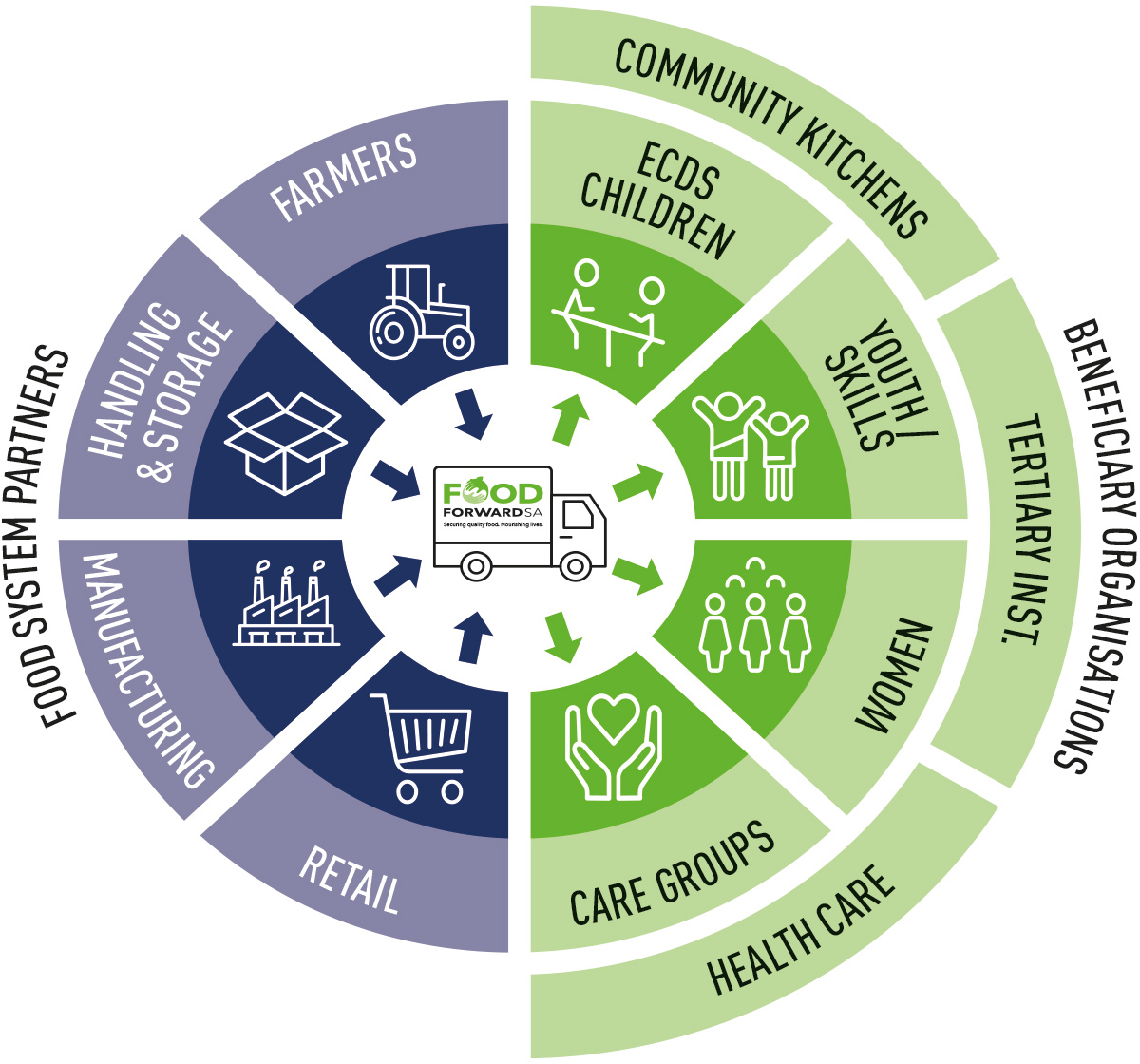
Since 2009, FoodForward SA has been recovering quality surplus food from the system, including farmers, manufacturers, retailers and other food businesses, and redistributing it through our national network of vetted Beneficiary Organisations.
As Africa’s largest food redistribution organisation and a certified member of The Global FoodBanking Network, we have demonstrated that foodbanking is a practical, scalable solution to both food insecurity and food loss and waste.
During the 2025/26 financial year, FoodForward SA distributed approximately 20 million kilograms of surplus food, around 40% of which was fresh fruit and vegetables.
The solution already exists. The opportunity now is to scale it.
Turning regulation into opportunity
This opportunity is becoming increasingly important as South Africa strengthens its approach to organic waste.
In the Western Cape, the prohibition of organic waste being sent to landfill is due to take effect in 2027. With around three million tonnes of organic waste generated in the province each year, businesses across the food value chain will need to fundamentally rethink how surplus food is managed.
For food businesses, this should not be viewed simply as a compliance challenge. Edible surplus food should be identified upstream and redirected for human consumption before it enters the waste stream.
FoodForward SA works with businesses to make this possible, providing a practical solution that can help reduce disposal costs, support regulatory and ESG objectives, and create meaningful social and environmental impact.
Creating an environment for more food donation
Scaling food recovery also requires the right enabling environment.
A significant milestone was reached earlier this year with the publication of SANS 2088, the South African National Standard for Food Donation and Redistribution Best Practice. Developed through a multi stakeholder process involving FoodForward SA and the South African Bureau of Standards, the standard provides greater clarity around food donation, including food safety, traceability and the responsibilities of those involved.
Clearer standards can help remove uncertainty and give businesses greater confidence to donate safe, edible surplus food.
FoodForward SA is also focused on unlocking more surplus from the agricultural sector, where food can be lost on farms, in packhouses and throughout storage and logistics. Recent recovery initiatives have demonstrated the scale of the opportunity, including the recovery of more than 60 tonnes of surplus citrus that could otherwise have been discarded.
These interventions demonstrate what is possible when the right partners, systems and infrastructure are in place.
From South Africa to the global stage
The transformative potential of reducing food loss and waste extends far beyond food security.
Globally, it is increasingly recognised as a critical climate solution, with food loss and waste contributing significantly to greenhouse gas emissions while wasting the land, water, energy and other resources used to produce food.
This growing recognition is reflected in international efforts to integrate food loss and waste reduction into climate action. The NDC Partnership, a global coalition of more than 270 countries and institutions, is working to strengthen country owned climate and development action, including through greater collaboration and knowledge sharing on food loss and waste.
During London Climate Action Week earlier this year, The Global FoodBanking Network joined leading international organisations in calling for food loss and waste reduction to become a global climate priority by 2030.
As a certified member of The Global FoodBanking Network, FoodForward SA is proud to contribute to this growing global movement while demonstrating what practical action can look like in South Africa.
The opportunity is to scale what works
International Day of Awareness of Food Loss and Waste is an opportunity to recognise the transformative potential of doing more with the food we already produce.
But awareness must lead to action.
FoodForward SA has demonstrated that a practical solution exists and that it can operate at scale. What is needed now is more role players across the food system to participate, collaborate and advocate for the changes required to recover more surplus food and get it to the people who need it.
The transformative potential is clear. The solution exists. The opportunity is to scale it even further. Together, we can turn surplus into food security, reduce environmental impact and create greater value across the food system.