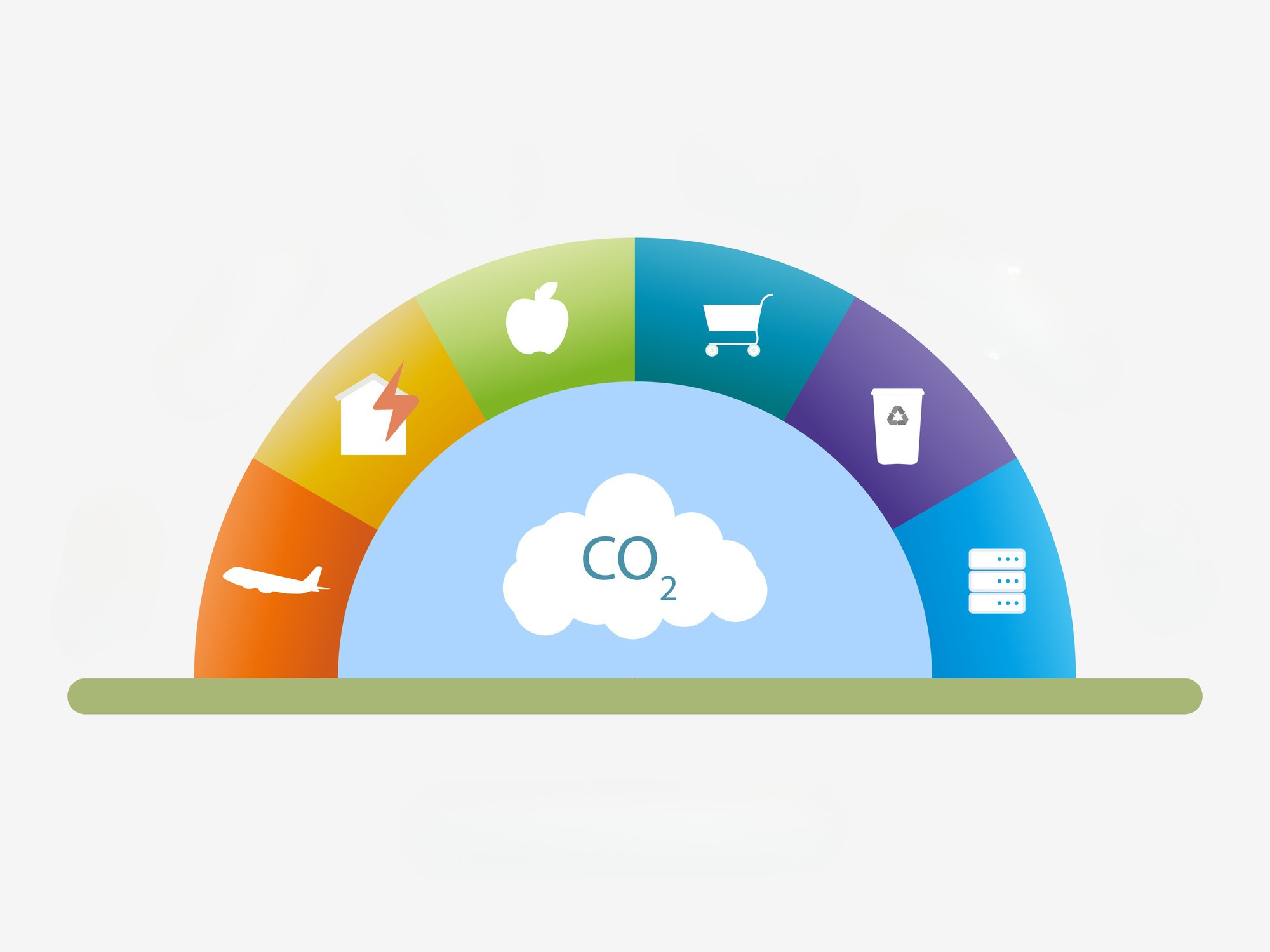
Food loss and waste is more than a food security issue. It is also a climate issue.
Globally, reducing food loss and waste has the potential to significantly reduce greenhouse gas emissions while improving food security. When food ends up in landfill, it produces methane as it decomposes, adding to the climate impact of food that has already consumed land, water, energy and other resources to produce.
As a certified member of The Global FoodBanking Network, FoodForward SA is part of a growing global movement recognising food recovery and redistribution as a practical climate solution. GFN’s FRAME methodology, developed in partnership with the Carbon Trust and Global Methane Hub, provides a science-based way to measure the greenhouse gas emissions avoided when surplus food is recovered for human consumption rather than sent to landfill.
FoodForward SA has been applying this principle at scale since 2009. By recovering quality surplus food and redistributing it through our network of vetted Beneficiary Organisations, we keep edible food in use, reduce pressure on landfill and support communities experiencing food insecurity.
A growing focus in South Africa
South Africa’s most recent Nationally Determined Contribution (NDC), submitted in October 2025, reinforces the country’s commitment to climate action, with food security identified as an adaptation priority. This provides an important policy context for addressing food loss and waste as part of a more resilient food system.
It also aligns with developments at a provincial level. In the Western Cape, the prohibition of organic waste being sent to landfill is due to take effect in 2027. This creates an opportunity to look at surplus food differently: edible food should be recovered for human consumption before it becomes part of the waste stream.
FoodForward SA’s role in this space was also recognised in November 2025, when our Methane Sequestration through Innovative Food Waste and Food Loss Management project was approved and endorsed by the Presidency’s Just Energy Transition Funding Platform. The project uses the FRAME methodology to quantify the climate impact of food recovery and demonstrates how food security and climate action can be addressed together.
The opportunity is to scale what works
FoodForward SA has demonstrated that food recovery and redistribution can operate at scale. But the need is urgent. Our 2026 State of Household Food Insecurity in South Africa report found that around 70% of households receiving food support through our network are chronically food insecure.
The opportunity is to connect these two realities now: recover more quality surplus food, keep it out of landfill, and get more nutritious food to people who need it.
Food loss and waste is a climate issue. Food recovery is part of the solution. The time to scale it is now.