How Quality Surplus Food is Safely Recovered and Redistributed
When food is described as “waste”, it does not necessarily mean it is no longer safe or suitable to eat.
Every day, quality edible food is removed from the commercial food supply chain for reasons that have nothing to do with food safety. It may be surplus production, have a packaging or labelling issue, have a short remaining shelf life, or simply not meet a retailer’s specifications.
The opportunity is to recover this food timeously, while it is still safe and suitable for consumption, and redirect it to people who need it most.
This is the role FoodForward SA plays within the food supply chain through our foodbanking model. We recover quality surplus food from farmers, manufacturers, retailers and other food industry partners, and make it available to our network of more than 2,200 beneficiary organisations supporting underserved communities.
Our beneficiary organisations are carefully vetted and monitored to ensure the network remains well governed, and that recovered food reaches organisations with an ongoing need for food support. This helps create a sustainable and accountable system for redistributing surplus food into communities.
But recovering food is only the first step. To move significant volumes of food safely and efficiently requires a properly resourced operation.
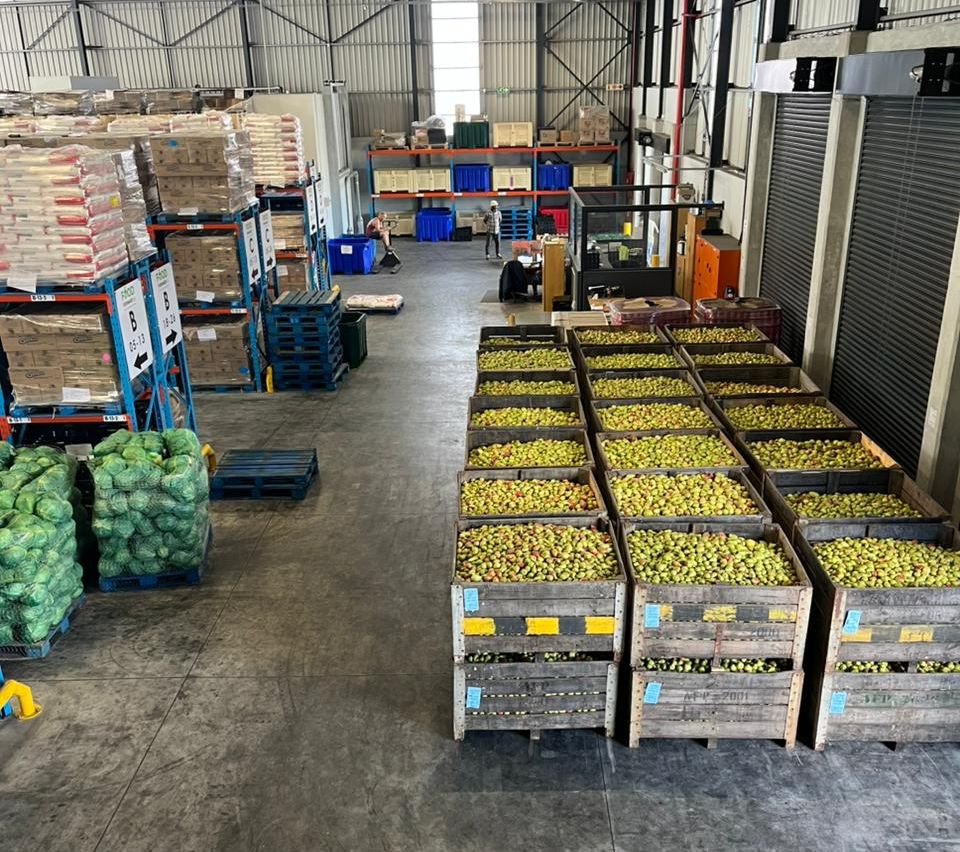
When food arrives at a FoodForward SA warehouse, it is assessed against food safety and quality requirements. Packaging integrity, product condition and date labelling are checked, while food requiring temperature control is handled within the appropriate cold chain. It is then stored according to its requirements until it is ready for distribution.
This is supported by the infrastructure, equipment, trained teams, systems and processes required to manage significant volumes of food safely and efficiently. Our warehouse operations enable us to maintain food quality throughout the process, manage stock effectively and move recovered food consistently from food businesses to organisations serving communities across the country.
Date labelling is also an important part of this process. Food that has passed its use-by or expiry date is not distributed. Best before dates are different. They relate primarily to quality, and food can remain safe to consume after this date when it has been stored correctly and meets the required safety and quality checks.
Once checked and safely stored, recovered food is made available to our network of beneficiary organisations supporting people experiencing food and nutrition insecurity. Our foodbanking model connects surplus food with organisations on the ground, enabling quality food to be consistently and safely redistributed to communities where it is needed most.
By recovering quality edible surplus food timeously, FoodForward SA helps address two challenges at once: reducing food loss and waste while increasing access to nutritious food in underserved communities.
From surplus to social impact, safely.