Reflecting on this year’s Earth Day theme, “Our People, Our Planet”, we see foodbanking emerging as a critical dual impact solution to address both climate change and food insecurity.
At FoodForward South Africa, recently nominated for the prestigious Earthshot Prize, we are working at the intersection of these challenges by recovering surplus food to drastically reduce greenhouse gas emissions while simultaneously feeding millions.
In South Africa, over 10 million tons of edible food is lost or wasted annually, even as millions experience chronic food insecurity. This enormous food loss contributes significantly to climate change, generating potent greenhouse gas emissions. When organic waste decomposes in landfills, it produces methane, a gas far more potent than carbon dioxide as a greenhouse gas.
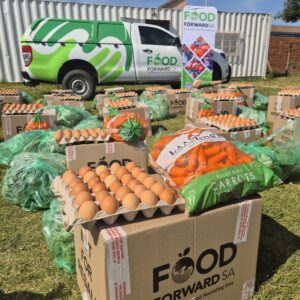
As the continent’s largest foodbanking network, we champion an integrated model that directly addresses this challenge. Through our national surplus food recovery programme, we recover nutritious, safe, edible food from farmers, manufacturers, and retailers.
The food is then redistributed to a network of 2,200 beneficiary organisations, reaching 862,820 vulnerable individuals across South Africa every single day. This process transforms potential waste into life-sustaining meals for communities in need.
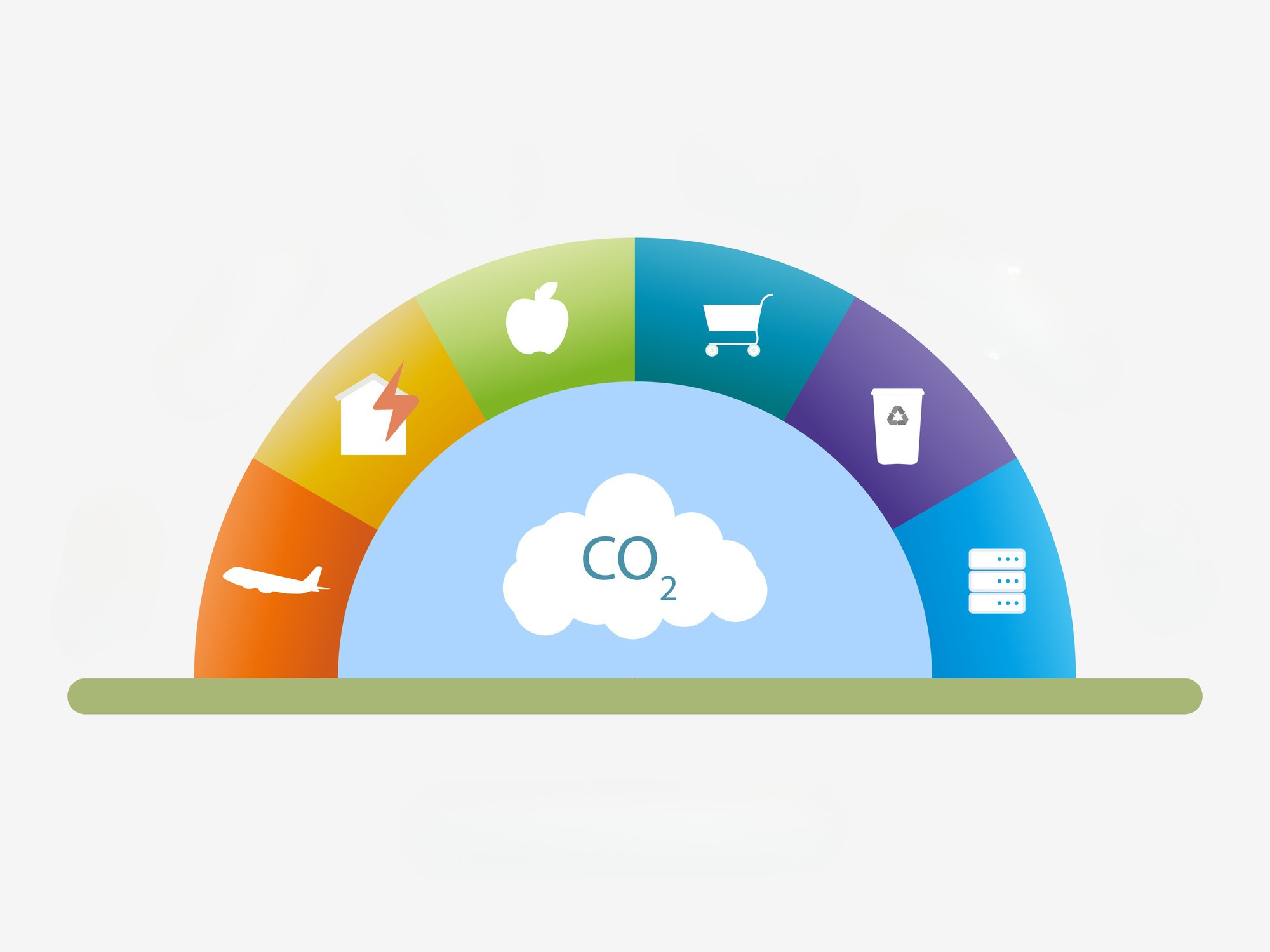
Our work delivers measurable climate benefits. We help avoid approximately 5.2 tons of CO₂ emissions per ton of food recovered. Collectively, this contributes to more than 491,986 tons of greenhouse gas emissions avoided annually, reinforcing foodbanking as a practical and scalable climate solution.
By preventing edible food from landfills, we significantly reduce methane emissions while simultaneously strengthening food security, directly aligning climate action with human development outcomes. It is this profound impact that has led to our international recognition, underscored by our 2026 Earthshot Prize nomination.
Foodbanking is where climate action and human dignity meet. Every ton of food recovered protects the environment by reducing greenhouse gas emissions, but it also ensures nutritious food reaches people who need it most. In South Africa, this connection between our people and our planet is not theoretical; it is essential.
This Earth Day, we are calling on farmers, manufacturers, and retailers to strengthen and accelerate surplus food donations. Timely recovery of edible food remains one of the most immediate and effective ways to reduce emissions while addressing food insecurity and malnutrition at scale.
Our work powerfully illustrates that protecting our people means protecting our planet, and food banking is a vital example of how both can be achieved together.