On 26 September, we join the global community in observing World Environmental Health Day under the theme “Standing with Science to Protect Communities.” The theme highlights the importance of evidence based action in creating healthier, safer, and more resilient communities.
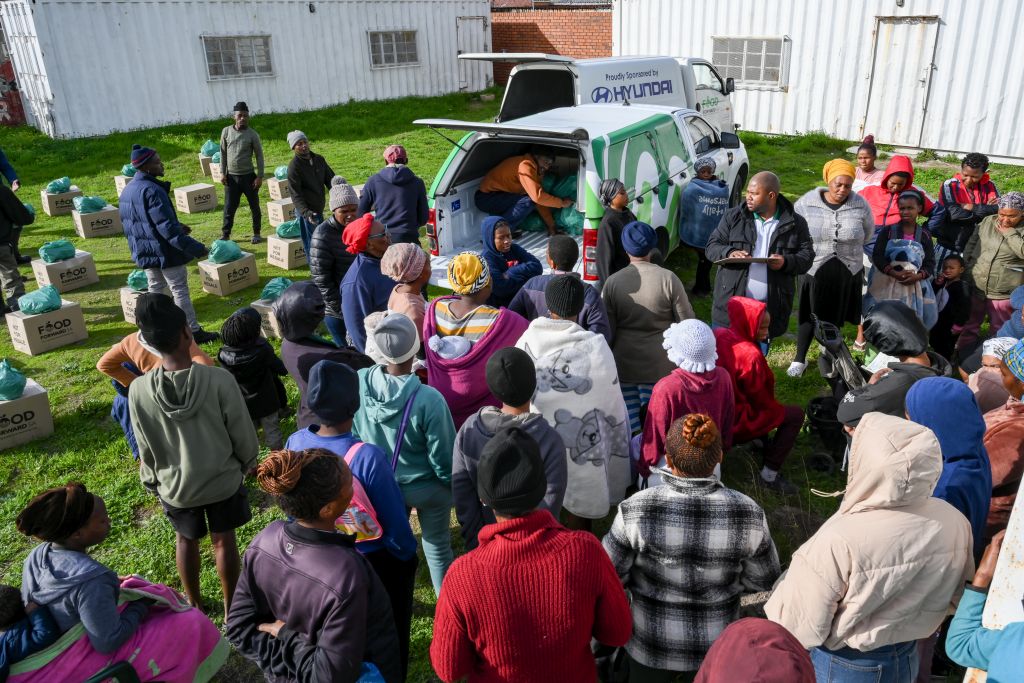
At FoodForward SA, we believe that effective solutions must be informed by evidence. Our Foodbanking model recovers quality surplus food from across the supply chain and redistributes it through our national network of Beneficiary Organisations, helping communities access nutritious food while keeping valuable resources within the food system.
We are also strengthening our understanding of the impact of this work. Through our membership of the Global FoodBanking Network (GFN), FoodForward SA is part of efforts to build stronger evidence around the environmental contribution of food banking. The FRAME (Food Recovery to Avoid Methane Emissions) methodology, developed by GFN in partnership with the Global Methane Hub and the Carbon Trust, provides a credible way to quantify the climate benefits of recovering surplus food and redirecting it to people rather than landfill.
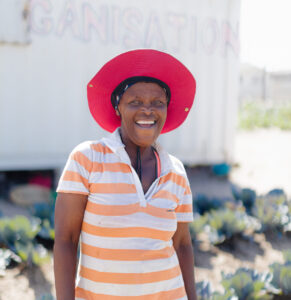
But environmental impact is only one part of the picture. We are also investing in research and pilot programmes to better understand how access to nutritious food can contribute to healthier and more resilient communities. Our programmes supporting mothers and children during the first 1,000 days, people undergoing TB treatment and recovery, and community based food gardens are helping us build practical evidence around the relationship between nutrition, health and community wellbeing.
Our State of Household Food Insecurity in South Africa 2026 Report, developed with the Southern Africa Labour and Development Research Unit (SALDRU) at the University of Cape Town, further strengthens this evidence base. The research examines the prevalence, severity and persistence of household food insecurity and identifies key drivers, including employment shocks and food price inflation, providing evidence to inform more effective responses.
Science helps us understand the connections between food, health and the environment. Data helps us measure what works. And partnerships allow us to turn that knowledge into practical action.
By recovering surplus food, measuring its environmental impact, and investing in research and testing solutions that improve access to nutritious food, FoodForward SA is working to strengthen the food systems that communities depend on.
This World Environmental Health Day, standing with science means more than understanding the challenges. It means using evidence to shape better solutions, protect communities, and build healthier, more resilient futures.