In early 2026, severe flooding across Limpopo and Mpumalanga left many communities displaced, isolated, and cut off from essential services. Families faced unsafe roads, damaged homes, and disrupted livelihoods, while informal settlements bore the brunt of the devastation. For those affected, access to reliable, nutritious meals became an urgent concern.
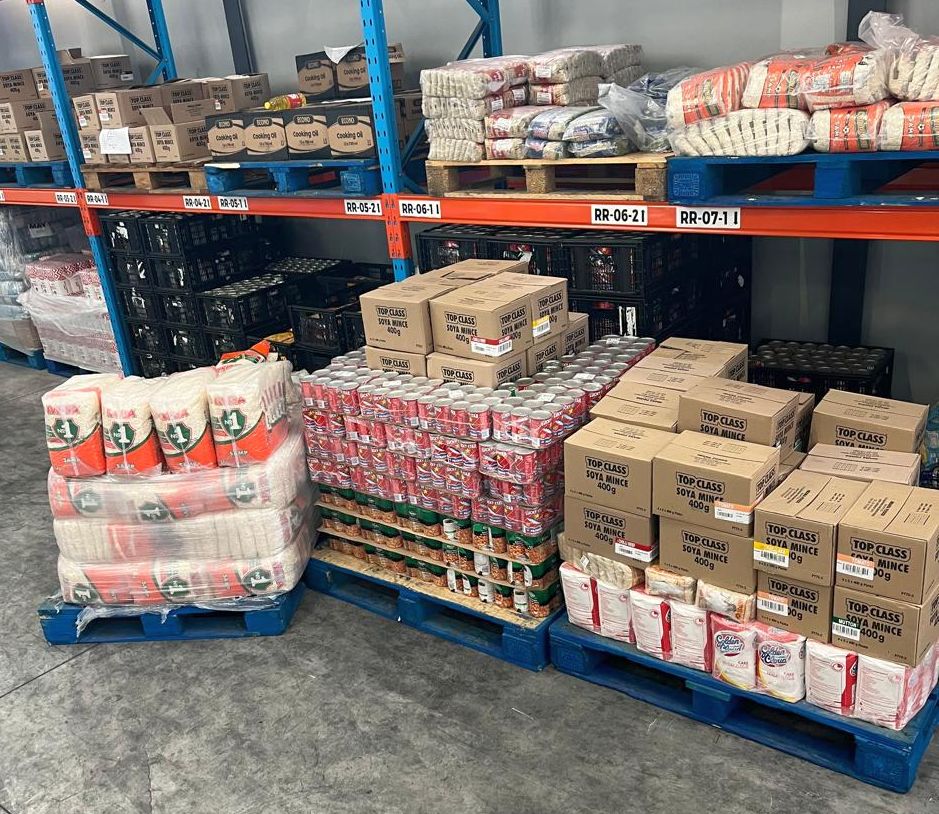
FoodForward SA (FFSA) immediately activated a targeted disaster relief intervention, which ran for six weeks from mid-February to the end of March 2026. Working closely with local disaster management authorities and trusted social partners, FFSA leveraged its infrastructure, efficient logistics, and network of community-based beneficiary organisations (BOs) to deliver coordinated, dignified, and timely support to those in need.
Through this sustained response, FFSA supported a total of 1,899 beneficiaries over the six weeks. This long-term assistance restored access to hot, nutritious meals for displaced individuals, strengthened community resilience and solidarity, enabled safe localised care for vulnerable children, and reduced immediate hunger and distress in flood-affected areas.
Even after the waters receded, recovery continues. Rebuilding homes and lives takes time, and FFSA remains committed to ensuring consistent access to nutritious food, enabling communities to focus on restoring their lives with dignity and confidence.
This response was made possible thanks to the generosity of the Nedbank Foundation, The SPAR Group Ltd, and Nestlé, whose contributions created a meaningful, sustainable impact for families affected by flooding.
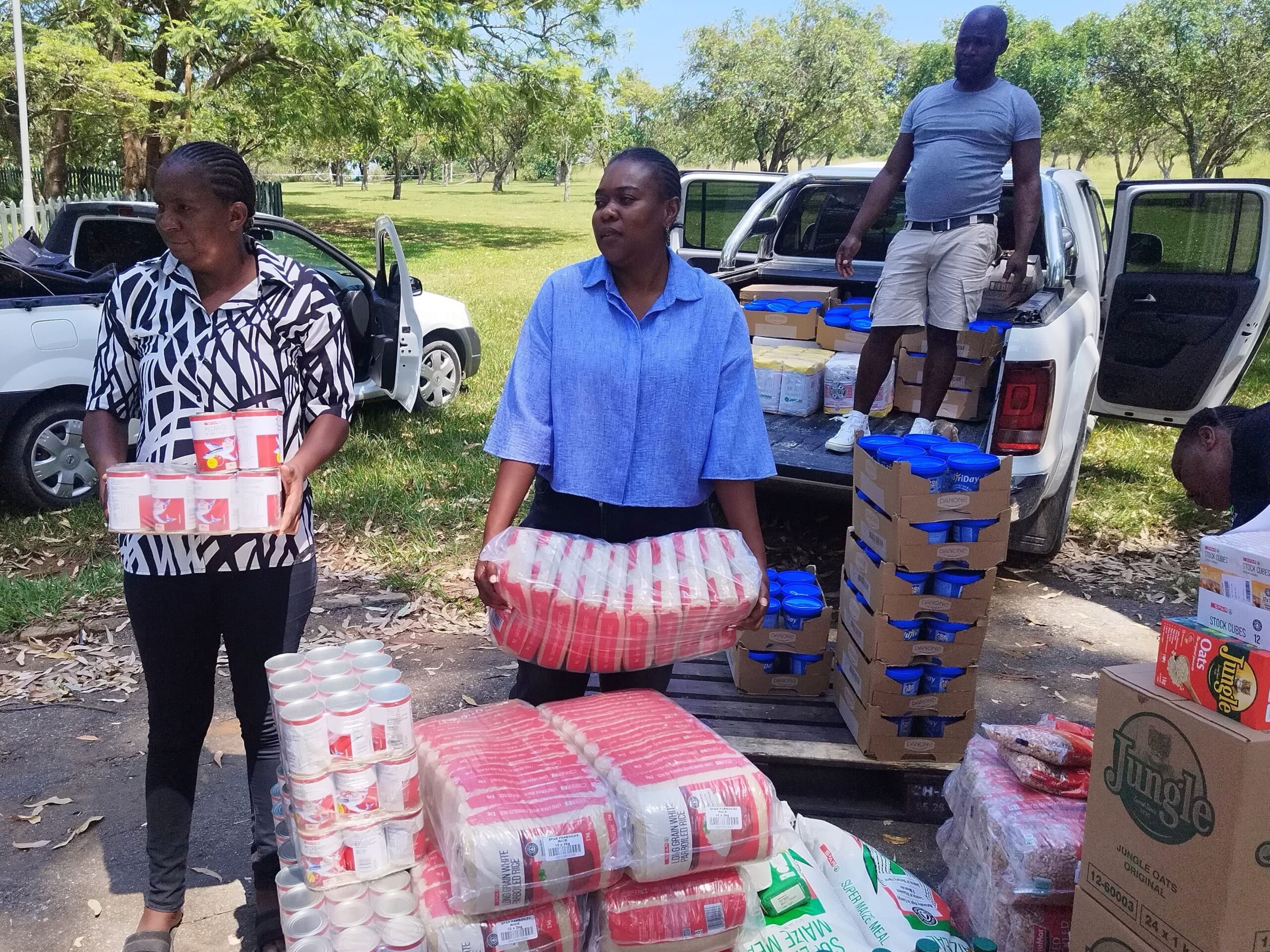
FFSA’s Disaster Relief Programme demonstrates how strategic partnerships, trusted community networks, and operational capacity combine to deliver timely, dignified relief. By working hand-in-hand with local partners, FFSA ensures that no one is left behind and that communities can recover stronger and more resilient than before.