There’s real momentum building behind our Food Gardens Connect Programme, and this recent phase marks an exciting step forward.
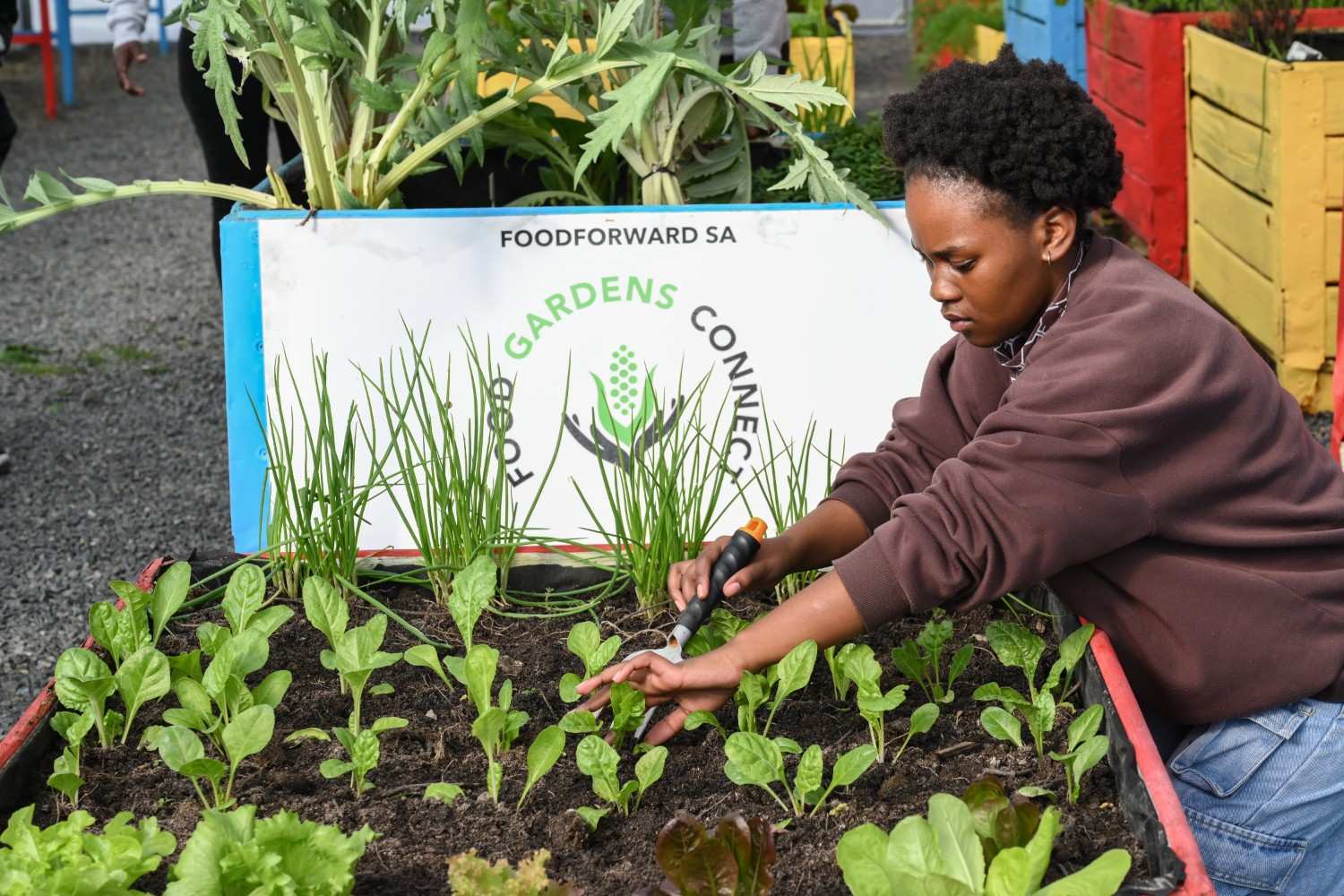
What started as a pilot is steadily growing into a practical, community-driven solution to food insecurity. At its core, the programme is simple and powerful. We equip unemployed individuals with the skills, tools, and ongoing support to grow their own food. That includes seedlings, equipment, and hands-on mentoring to help gardens thrive well beyond the initial setup.
What sets this programme apart, and what we’re especially excited about, is the guaranteed buy-back model.
This means participants don’t just grow food for their communities. They have a reliable, built-in market for their harvest. We purchase their produce, creating a consistent income stream while also bringing fresh, nutritious food back into our system for distribution to underserved communities. It closes the loop in a way that strengthens both livelihoods and food security.
Programme Growth
We’ve expanded our network of partner organisations in Cape Town, made possible by funding from The Starbucks Foundation, and we are welcoming:
- Masivuke Community Garden (Khayelitsha)
- Women of Westlake (Tokai)
- The Children’s Den (Langa)
- Lakeview Community Church (Retreat)
- Beth Uriel (Salt River)
Alongside this growth, we’ve completed three successful training sessions at four of the partner organisations, with strong participation and clear commitment from each group. There’s a noticeable shift from interest to action, with partners fully engaged and eager to scale their impact.
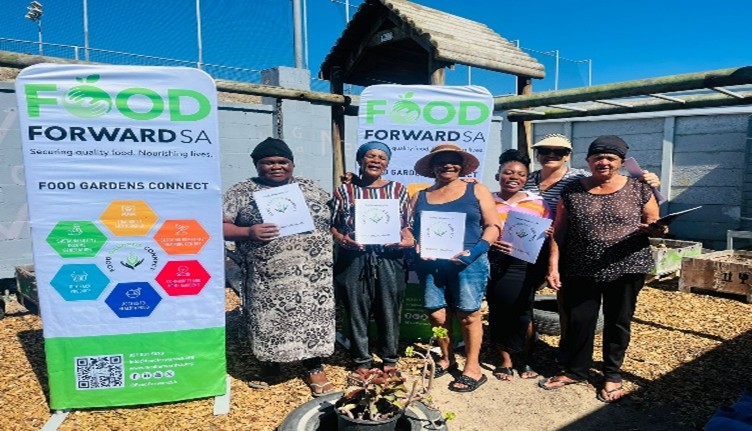
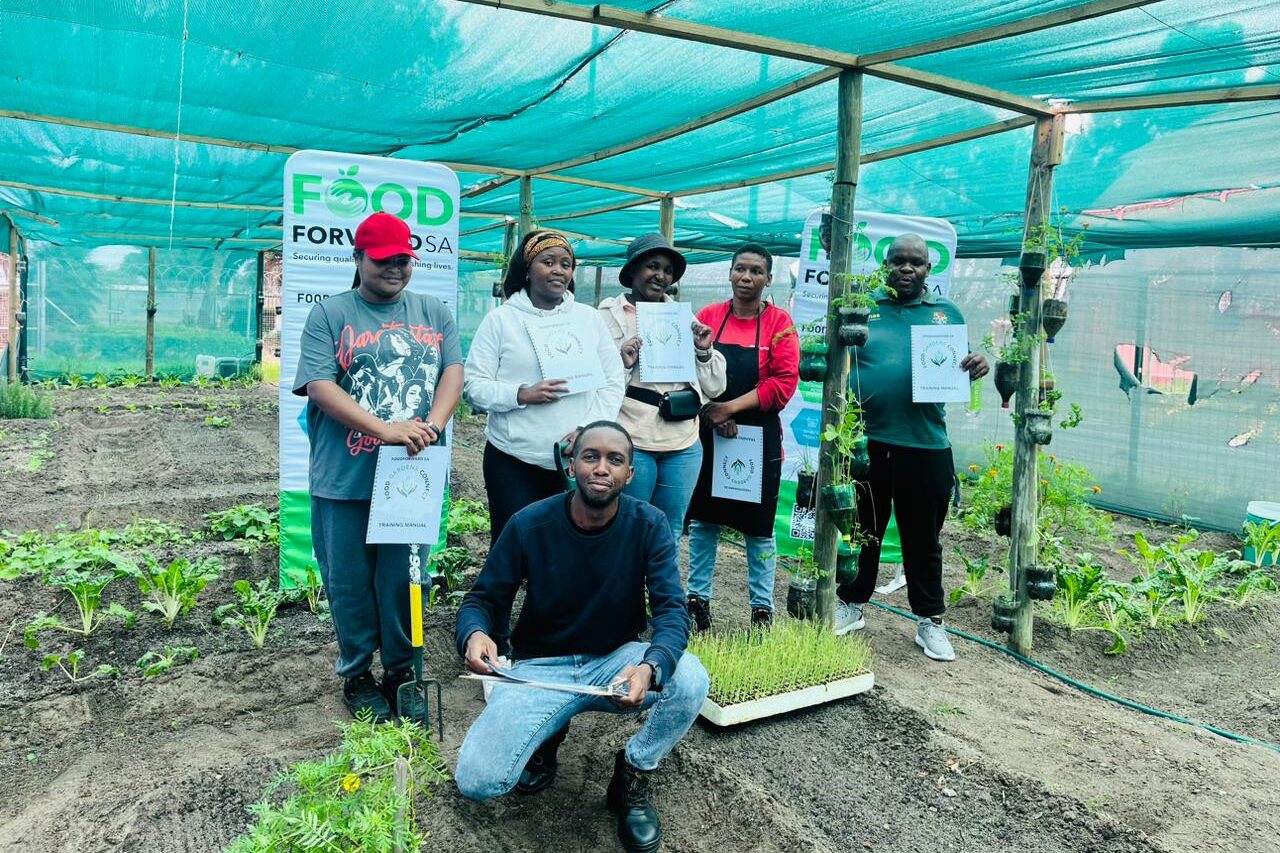
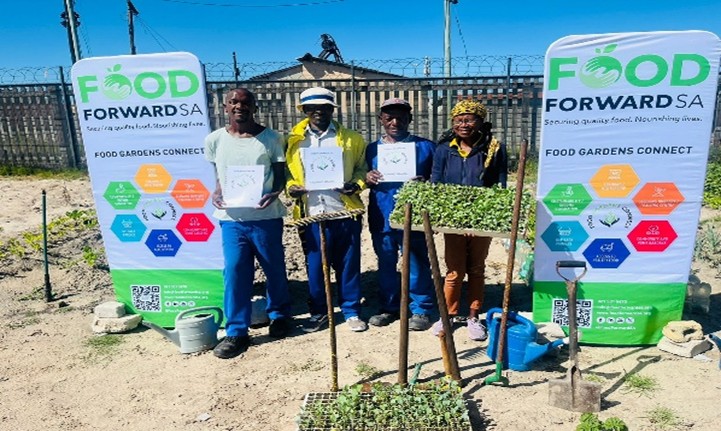
Beth Uriel in Salt River is in the onboarding process, and one of the standout moments has been the involvement of young people at The Children’s Den in Langa. Seeing youth actively participate in food growing not only strengthens household food access today, but it builds skills, confidence, and leadership for the future.
Why This Matters
The Food Gardens Connect Programme is about more than gardening. It’s about dignity, opportunity, and long-term resilience. By combining skills development with a guaranteed income pathway, we’re helping communities move from dependency to self-sufficiency while strengthening the broader food system.
And with every harvest we buy back, we’re able to redistribute fresh, nutritious produce to those who need it most. That’s an impact on both sides of the equation. And this is just the beginning!