The Gugu Dlamini Memorial Centre Foundation, based in the KwaMashu community in Kwa-Zulu Natal is a community-based, non-profit organisation named in honour of Gugu Dlamini, a courageous activist who lost her life in 1998 for publicly disclosing her HIV-positive status. The Foundation was established in 2010 by her daughter, Mandisa Dlamini, to continue Gugu’s legacy by promoting human rights, dignity, and wellness, particularly among vulnerable groups.
The Foundation focuses on education, advocacy, and empowerment, working to create safe, inclusive, and supportive spaces for women, children, older persons, men, and youth. Its programmes address HIV/AIDS, gender-based violence, mental health, and socio-economic development, with a strong emphasis on grassroots outreach and youth empowerment.
Supporting our Youth
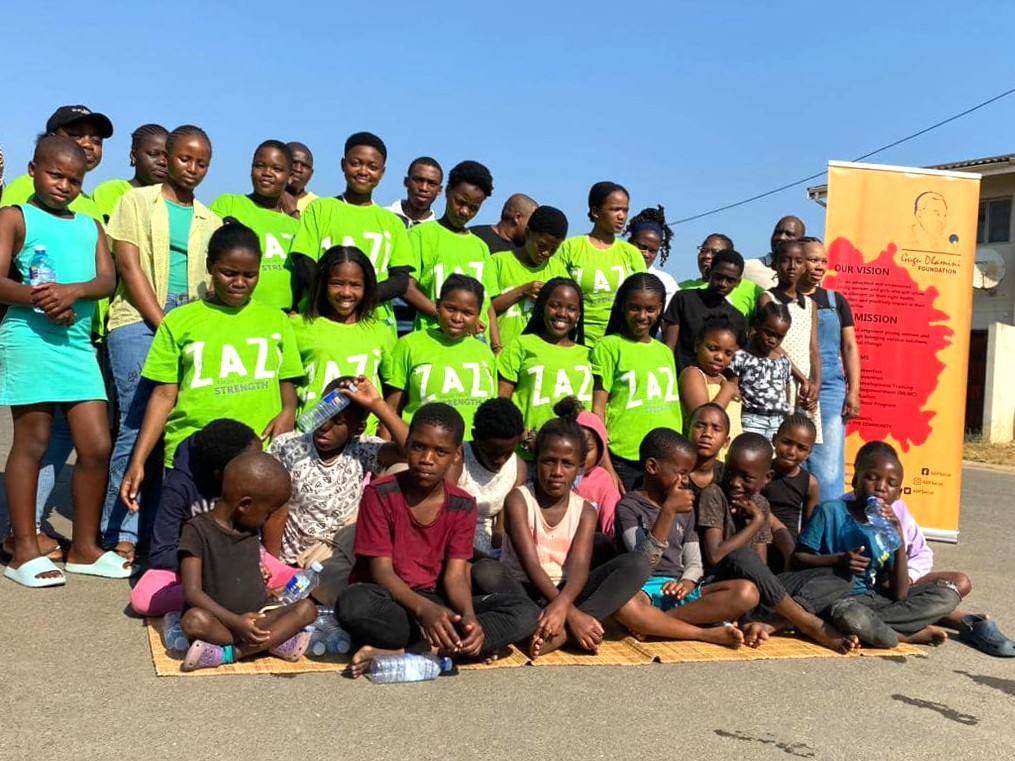
Youth development is at the heart of the Foundation’s mission. It runs various programmes that equip young people with knowledge, skills, and opportunities to thrive. One of these is the Abanqobi Youth Programme, which includes life skills training, career guidance workshops, entrepreneurship support, and mentorship initiatives.
The Foundation also collaborates with schools and community stakeholders to raise awareness about sexual and reproductive health, HIV prevention, gender equality, and mental wellness. Youth dialogues and leadership camps are hosted to amplify young voices and encourage active citizenship. The goal is to inspire a generation of socially conscious, resilient, and empowered young leaders who can drive positive change in their communities.
The Impact of Partnership
Given the widespread challenges of poverty and inequality, food is key vehicle to attract unemployed young people. This is where FoodForward SA is able to deliver value. Food donations play a vital role in enabling the Foundation’s programmes to reach more young people effectively. Additionally, more than 200 school children participate in the after-school care programme, which runs from Monday to Friday and includes access to nutritious meals. This ensures that participants can attend workshops, after-school sessions, and outreach activities with energy, dignity, and focus. For many of the youth served, food insecurity is a major barrier to learning, growth and development. By addressing this important challenge, the donation of good quality surplus food creates an inclusive and supportive environment where real learning and development can take place. Food is a powerful catalyst of social change, allowing this incredible organisation to go beyond addressing basic needs and instead focus on long-term empowerment and transformation.